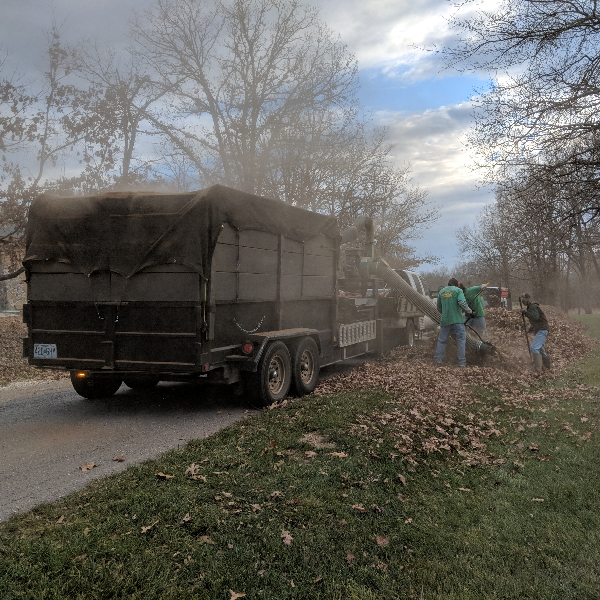
Spring in Missouri is finally here, and while it's a beautiful season, it also reveals what winter left behind. Dead leaves clinging to grass, branches scattered across your yard, matted thatch from months of snow and ice—these aren't just cosmetic issues. They're actually preventing your lawn from thriving.
That's where spring cleanup comes in. It's one of the most important maintenance tasks you'll do all year, and understanding what it involves (and why it matters) can help you decide whether to tackle it yourself or call the professionals.
What Spring Cleanup Actually Includes
Spring cleanup isn't just a quick sweep of the yard. It's a multi-step process designed to remove winter's damage and prepare your lawn for healthy spring and summer growth.
Leaf and Debris Removal
Winter winds and spring rains leave leaves, twigs, and other debris scattered across your lawn. When leaves sit on your grass for weeks, they create a mat that blocks sunlight, traps moisture, and prevents healthy grass growth underneath. Professional cleanup crews remove every visible piece of debris, clearing the path for new growth.
Branch and Stick Collection
After a winter of storms and snow, branches of various sizes accumulate in your yard. Even small twigs can become hidden hazards—they'll damage your mower blades and create frustrating obstacles during regular mowing. Professionals systematically collect branches of all sizes, leaving your lawn clean and safe to mow.
Thatch Removal and Raking
Thatch is the layer of dead grass and organic material that accumulates between living grass and soil. A small amount of thatch is actually normal and even beneficial, but when it builds up thicker than a quarter-inch, it becomes a problem. Winter conditions often compress and compact this thatch layer.
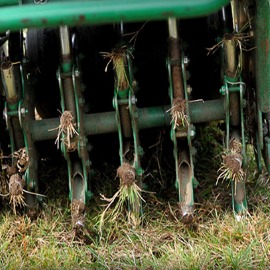
During spring cleanup, professional crews use specialized equipment or aggressive raking to remove excess thatch. This opens up the soil surface and allows water, air, and nutrients to penetrate more effectively. In Missouri, where clay soils are naturally dense, removing thatch is particularly important.
Yard Edge Cleanup
Winter weather can blur the clean edges around your driveways, sidewalks, and flower beds. Spring cleanup restores these edges, creating clean lines that improve your entire yard's appearance. It also helps prevent grass from creeping into beds and landscape areas.
Drainage Assessment
Spring is the perfect time to identify drainage problems before the rainy season gets going. Professional crews note areas where water pools after rain, which could indicate compaction issues or poor grading. These observations inform recommendations for aeration and other drainage solutions.
Flower Bed and Landscape Preparation
Some spring cleanup services extend to landscape beds. Dead plants from the previous year are cleared, beds are raked out, and the area is prepared for new mulch or seasonal planting. If you're planning spring color, cleanup clears the way for success.
Why Spring Cleanup Matters: The Science Behind the Service
It might seem like spring cleanup is just about making your yard look nice. The reality is more substantial—it directly impacts your lawn's health.
Soil Health and Nutrient Cycling
When leaves decay naturally on your lawn, they eventually decompose and return nutrients to the soil. But when excess leaves and thatch block soil contact, that process slows dramatically. By removing excess debris, you're actually facilitating the natural nutrient cycle your lawn depends on. It's not about preventing all organic material from reaching the soil—it's about maintaining the right balance.
Water Penetration and Drainage
In Missouri spring, we get plenty of rain. But if thatch, leaves, and debris are blocking water from reaching the soil, you end up with surface runoff and puddles instead of deep soil moisture. This water should be soaking into the soil where grass roots can access it. When cleanup removes the barrier, water penetrates properly, reaching the deeper layers where it's most beneficial.
Oxygen Availability
Grass roots need oxygen, and compacted thatch layers restrict oxygen movement. Similarly, a thick mat of leaves reduces air circulation in the lawn canopy. Spring cleanup improves both surface and subsurface oxygen availability, supporting healthier root development.
Disease and Pest Prevention
Winter is tough on lawns, but certain disease spores and pest eggs survive in debris. Removing thatch, dead material, and leftover leaf piles eliminates habitat for common Missouri lawn diseases like snow mold and winter fungal issues. It also reduces habitat for pests like grubs, which overwinter in soil and thatch layers.
Preparing for Growth
Spring is when your Missouri lawn wakes up and enters its primary growth season. Cleanup removes the obstacles that could slow that growth. When you aerate and overseed on top of a clean lawn surface, those treatments are far more effective because seeds have good soil contact and air space to develop.
Spring Cleanup Timeline: When Should It Happen?
Timing matters for spring cleanup. Too early and winter might not be finished; too late and you've missed critical weeks of growing season.
Weather Considerations in Missouri
In our region, spring cleanup typically happens in March through early April, once soil temperatures are consistently above freezing and the ground has dried out a bit. If you do it too early while soil is still waterlogged and frozen, you risk damaging lawn structure. Wait until you can walk across your lawn without leaving deep footprints.
Grass Growth Stage
The ideal time is just as your grass is beginning to green up but before it enters rapid growth mode. This is usually mid-to-late March in most of Missouri, though the exact timing varies depending on your specific location and weather that year.
Scheduling with Other Services
Many lawn care companies combine spring cleanup with other early-season services like aeration, overseeding, and first fertilizer applications. Timing everything to happen in the right sequence ensures maximum benefit. Cleanup typically comes first, preparing the lawn surface for other treatments.
DIY Spring Cleanup vs. Professional Service
You can do spring cleanup yourself—but should you?
DIY Approach
If you choose to handle spring cleanup yourself, you'll need:
- A quality rake (leaf rakishly is best for thatch removal)
- Bags or a yard waste container for debris
- A dethatcher or power rake (can be rented)
- Several hours of physical work
- A strong back and realistic expectations about how thorough you'll be
The advantage? You save money. The disadvantages? It's physically demanding, time-consuming, and most homeowners don't have commercial-grade equipment to do the job as thoroughly or efficiently as professionals.
Professional Service
Professional spring cleanup takes a few hours instead of several weekends. Crews use commercial-grade equipment like power rakes and dethatchers that are far more effective than residential equipment. They're systematic and thorough, covering every square foot of your property. They also combine cleanup with expert observation—noting drainage problems, pest activity, disease issues, and other concerns your lawn might have.
For most homeowners, professional spring cleanup is worth the investment because of the quality of work and time saved.
Cost Considerations
Spring cleanup pricing varies based on property size, debris volume, and local market rates. In Missouri, expect to budget $150 to $500 for a typical residential spring cleanup, depending on your yard's size and condition. Compare this to the time you'll invest doing it yourself—often 8 to 16 hours of work—and the professional service becomes increasingly attractive.
Post-Cleanup Care: Maximizing Your Investment
Spring cleanup isn't the end of spring lawn care—it's the beginning.
Seeding and Overseeding
After cleanup, your lawn surface is clean and receptive. Spring is an excellent time for overseeding (adding grass seed to thicken your existing lawn) or seeding bare patches. Professional crews can seed right after cleanup, giving seed excellent soil contact and improving germination rates.
Fertilization Schedule
Spring cleanup usually happens shortly before the first spring fertilizer application. This timing is intentional—you're not applying fertilizer to a dirty, thatchy lawn. Instead, you're feeding a clean lawn that's ready to use those nutrients for vigorous growth.
Watering and Moisture
After cleanup, monitor soil moisture carefully. Your newly exposed soil might dry out more quickly, especially if spring is dry. Proper watering in the weeks following cleanup helps your grass recover and encourages new root development.
Aeration Benefits
Many lawn care companies aerate shortly after spring cleanup, sometimes combining it with overseeding. Aeration punches holes in the clean soil, relieving compaction and improving water and oxygen penetration. The combination of cleanup plus aeration is highly effective for Missouri lawns.
Residential vs. Commercial Spring Cleanup Needs
Different property types have different spring cleanup requirements.
Residential Properties
Residential spring cleanup focuses on the lawn and immediate landscaping areas. Standard services include leaf and debris removal, thatch management, and yard edging. Most residential properties can be completed in 2 to 4 hours.
Commercial Properties
Commercial properties often involve multiple buildings, parking areas, landscaping features, and sometimes larger grounds. Spring cleanup might include clearing parking lots and hardscape areas, cleaning up landscape beds across larger properties, and managing debris from multiple tree canopies.
Maedgen's Lawn Care offers specialized commercial property maintenance for businesses, apartments, and other properties in Rolla, St. James, St. Robert, Waynesville, and Valley Park. Commercial clients often contract for spring cleanup as part of a larger property maintenance plan that includes seasonal services throughout the year.
The Bigger Picture: Spring Cleanup as Part of Annual Care
Spring cleanup is critical, but it's just one piece of a comprehensive lawn care approach.
Think of it this way: spring cleanup is the foundation. On top of that foundation, you'll apply fertilization, manage weeds, control pests, and monitor growth throughout the season. But if that foundation isn't solid—if debris and thatch are blocking soil health—none of the other services work as effectively.
That's why professional lawn care companies emphasize spring cleanup. It's not an optional extra; it's a fundamental part of creating and maintaining a healthy, beautiful lawn in Missouri.
Ready to Get Your Lawn Spring-Ready?
Spring cleanup sets the tone for your entire growing season. Don't let winter's remnants hold back your lawn's potential. Let Maedgen's Lawn Care handle your spring cleanup while you focus on enjoying the season.
Our team has been caring for Missouri lawns for over 30 years. We know exactly what spring lawns in our region need to thrive.
Call us at (573) 647-2823 or schedule your spring cleanup today.
Related Posts:
- New Homeowners' Guide to Professional Lawn Care
- Fall Cleanup: Preparing Your Lawn for Winter
- Aeration and Overseeding: Why Your Lawn Needs Both
Not sure where to start?
We’ll walk your property and recommend exactly what your lawn needs — no pressure, no obligation.
We respond within 1 business day.