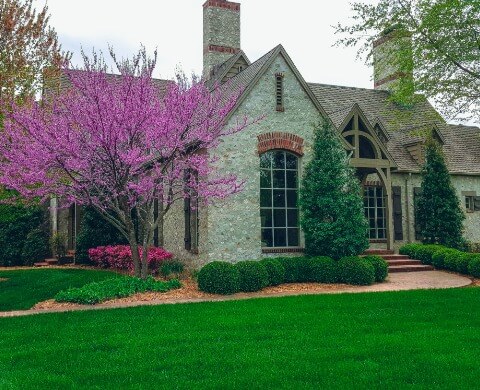
Spring in Missouri is the most critical time for lawn care—and honestly, it's when we're busiest at Maedgen's Lawn Care. After a long winter, your lawn is just waking up, and the decisions you make in March and April will literally determine whether you have a lush, healthy yard all summer or spend the next eight months fighting bare patches and weeds.
We've been caring for lawns across Rolla, St. James, St. Robert, Waynesville, and Valley Park for over 30 years, and we've learned that spring success comes down to timing and understanding what your Missouri lawn actually needs right now. This guide walks you through exactly what to do and when to do it.
Late March Tasks: The Foundation for Spring Success
March is all about preparation. Your cool-season grasses are beginning to break dormancy, soil temps are rising, and this is when you can set yourself up for a strong growing season—or create problems that'll haunt you all summer.
Clear Winter Debris
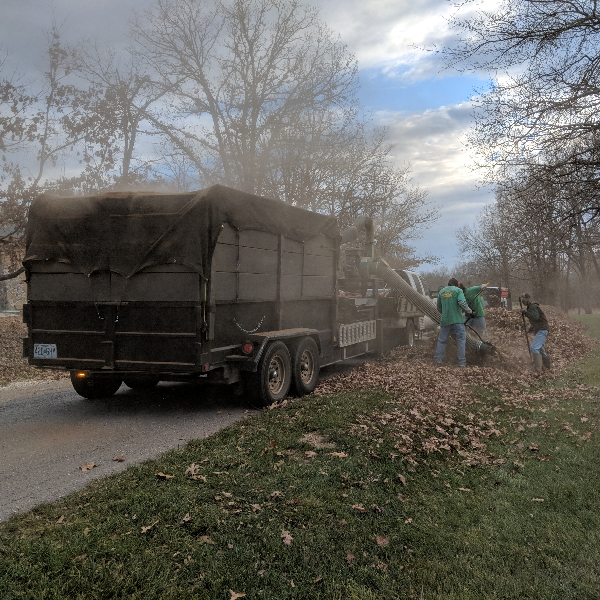
Before you do anything else, walk your entire yard and clear out the winter mess. We're talking dead branches, matted-down leaves, and debris from winter storms. This isn't just about aesthetics—that mat of dead leaves (called thatch) is blocking sunlight and preventing water and nutrients from reaching your soil.
Use a leaf blower or, if you have a lot of buildup, rake gently. Don't go too aggressive yet; your grass is still tender. If you have heavy thatch buildup (more than half an inch), this might be a year to consider professional power raking.
Apply Pre-Emergent Herbicide
Here's one of the most important tasks people skip: applying pre-emergent weed killer in late March, typically around mid-to-late March when soil temps consistently stay between 55-60°F for several days. In our area, that's usually around March 15-20, depending on the year.
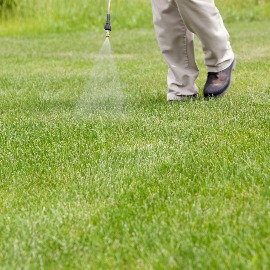
Pre-emergent herbicides don't kill existing weeds—they prevent weed seeds from germinating in the first place. This is far more effective than waiting until June and fighting crabgrass with post-emergent killers. Apply it before those weed seeds start sprouting, and you'll have far fewer problems. Most pre-emergents need rain or watering to activate, so check the forecast.
Do a Spring Yard Inspection
Walk your entire property and look for:
- Bare patches or thin areas where grass didn't survive winter
- Signs of frost heave where frozen ground pushed soil up, creating uneven areas
- Drainage problems where water pooled all winter—this often means lawn damage
- Moss or algae growth indicating soil compaction or poor drainage
- Winter damage to trees and shrubs (we focus on lawns, but it affects the whole picture)
Document these problem areas. You'll want to address them in April or consider professional help if they're extensive.
Overseed Thin or Bare Areas
If you have manageable bare patches, overseed now while soil is cool and moist. Choose seed blends suited to Missouri's climate (tall fescue, perennial ryegrass, and Kentucky bluegrass are our champions). Prep the area by roughing up the soil, spreading seed, and keeping it moist for 2-3 weeks.
If more than 10-15% of your lawn is bare, this might be time to call professionals. Large-scale overseeding is often best done with professional equipment.
Early April Priorities: Growth Season Begins
By early April, the real growing season is ramping up. Nighttime temperatures are staying above 50°F, soil is warming, and your grass is hungry.
Aeration (Spring or Early April)
April is an ideal time for lawn aeration in Missouri. Aeration alleviates soil compaction, which is especially important here because much of our soil is clay-heavy. Compacted soil doesn't allow roots to penetrate deeply, restricts water movement, and reduces nutrient availability.
If you've never aerated and have typical residential traffic, consider it. Aeration removes small plugs of soil and thatch, which sounds disruptive but actually stimulates grass growth. Plan it for early April while soil is moist but not waterlogged. Overseed right after aeration—the open holes give seeds perfect contact with soil.
This is work where professional equipment really matters. A core aerator (not a spike aerator) is what you want, and they're expensive to rent. Many people find it worth getting a quote from us rather than wrestling with rental equipment.
Apply Spring Fertilizer
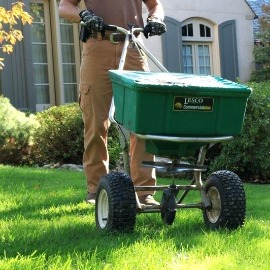
Apply a balanced spring fertilizer (something like 15-10-10 NPK) in early to mid-April. Your grass is actively growing and needs nitrogen for leaf growth, phosphorus for root development, and potassium for stress tolerance. Apply after mowing and when the lawn is dry to prevent burn. Water thoroughly after application so fertilizer reaches the soil.
If you aerated, fertilizer works even better because it actually penetrates into those aeration holes. This is why the combination of aeration + overseed + fertilize in early April is so powerful.
Mow to the Right Height
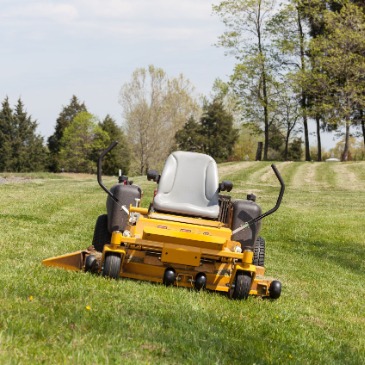
By early April, your grass is probably ready for the first real mow. Set your mower to 3-3.5 inches for cool-season grasses (that's the Missouri standard). Never remove more than one-third of the blade in a single mowing—this stresses the grass.
Do a test run on the first mow to see what you're working with. You'll often spot thin areas or damage that wasn't obvious when the grass was dormant.
Assess for Professional Help
This is the checkpoint. After your inspection and initial spring work, ask yourself honestly:
- Does my lawn look significantly worse than last fall?
- Are there bare patches covering more than 15% of the yard?
- Is the soil waterlogged or extremely compacted?
- Are there signs of disease, moss, or serious pest damage?
If you're saying yes to multiple questions, now is the time to call in professionals before things get worse. Early April is still early enough to turn things around for the growing season.
Signs Your Lawn Needs Professional Help
Be honest about this. We've been doing this 30+ years, and we can tell you that attempting massive renovations yourself often costs more in time and frustration than getting help from the start.
Call a professional if:
- More than 20% of your lawn is bare or severely thin
- You have a serious thatch problem (more than 1 inch thick)
- Drainage issues are creating dead zones
- You suspect disease or serious insect damage
- Your soil is so compacted that water runs off rather than soaking in
- You don't have the equipment (aerator, dethatcher, overseeder)
- You're uncertain what your lawn actually needs
There's no shame in this. Lawn care is our expertise, and we've developed the right equipment and techniques over decades.
DIY vs. Hire-Out Decision Framework
Here's how we think about it at Maedgen's:
DIY makes sense when:
- The problem is contained and manageable in scale
- You have basic equipment or access to rentals
- You have the time and physical ability
- You've identified the specific problem correctly
- You're willing to accept a learning curve and possible mistakes
Professional service makes sense when:
- The problem is large-scale or system-wide
- You need specialized equipment (aerators, dethatchers, overseeding equipment)
- The problem is urgent or time-sensitive
- You want guaranteed results
- Your time is genuinely valuable (and for most people, it is)
For spring 2024, honestly assess where you fall on this spectrum. If you're on the DIY side, we're here to answer questions. If you need help, we'll give you an honest estimate.
Common Spring Mistakes to Avoid
We see these every year, and they set back lawn health significantly:
Mistake 1: Mowing Too Short
"Scalping" your lawn—cutting it too short in spring—is almost always wrong. It stresses new growth, increases water loss, and makes it easier for weeds to establish. Keep that mower at 3+ inches.
Mistake 2: Applying Weed Killer Too Late
If you wait until you see crabgrass sprouting, you've missed the window for pre-emergent. By then, you're in post-emergent mode, which is less effective and more expensive.
Mistake 3: Over-Fertilizing
More fertilizer isn't better. Over-fertilizing early spring can push too much growth before the roots are established, creating weak grass susceptible to disease. Stick to recommended rates.
Mistake 4: Assuming Winter Damage is Permanent
Some dormant-looking areas in early spring are actually fine and will green up with warmth. Some are genuinely dead. Wait until mid-April to make final decisions about what needs overseeding. Patience here prevents unnecessary work.
Mistake 5: Ignoring Drainage Problems
Spring is when you can really see where water issues exist. Don't ignore these. They'll get worse and damage your lawn all year. Address them now.
Mistake 6: Using the Wrong Seed Varieties
For Missouri, stick with cool-season grass blends: tall fescue, perennial ryegrass, Kentucky bluegrass. These thrive here. Avoid warm-season grasses unless you're in a specific microclimate situation.
Your March & April Checklist
Here's your reference list for the next 60 days:
Late March (by March 20):
- Clear winter debris thoroughly
- Apply pre-emergent herbicide (55-60°F soil temps)
- Inspect yard for damage and thin areas
- Plan your spring approach
Early April (April 1-15):
- Overseed bare patches if DIY
- Aerate if needed (professional or rental)
- Apply spring fertilizer
- Do first mowing at 3-3.5 inches
- Assess whether professional help is needed
Mid-to-Late April:
- Second mowing (now on regular schedule)
- Water overseeded areas consistently
- Monitor for pest or disease issues
- Adjust watering as temps increase
When Maedgen's Can Help
Spring is our busiest season because this is when lawns either get turned around or get set up for a rough year. We offer:
- Seasonal cleanups for debris removal and site prep
- Aeration and overseeding using professional-grade equipment
- Lawn renovation for severely damaged areas
- Fertilization programs custom to your soil and grass type
- Pre-emergent and weed control applied at exactly the right time
If you're looking at your lawn right now and thinking "this needs help," you're probably right. And you're not alone.
Ready to Prepare Your Lawn for Spring?
Spring in Missouri is short but critical. A few focused weeks of work now determine whether you're enjoying your lawn in July and August, or struggling with bare patches and weeds.
If you're ready for professional help—aeration, overseeding, renovation, or just expert guidance—we've got 30+ years of experience making Missouri lawns look great. We service Rolla, St. James, St. Robert, Waynesville, and Valley Park, and we're ready to help.
Call us at (573) 647-2823 or request your free estimate today.
Related Posts:
- The Best Fertilization Schedule for Missouri Lawns: Month-by-Month Guide
- Aeration Explained: Why Your Missouri Lawn Needs This Service (and When to Do It)
- Lawn Renovation Services
Not sure where to start?
We’ll walk your property and recommend exactly what your lawn needs — no pressure, no obligation.
We respond within 1 business day.