
If you've been noticing patches of discolored, thinning, or dead grass in your Rolla, St. James, or Waynesville lawn, you're not alone. Missouri's humid summers and variable spring and fall conditions create the perfect breeding ground for lawn diseases. In over 30 years of caring for Ozark-region lawns, we've learned that early detection and proper identification are the keys to saving your grass before a small problem becomes a major headache.
This guide will help you spot the most common lawn diseases in Missouri, understand what conditions favor them, and know when to call in the professionals.
Common Missouri Lawn Diseases
Brown Patch (Rhizoctonia solani)
Brown patch is the most frequent fungal disease we encounter in Missouri lawns, particularly in the humid summer months. It appears as circular or irregular patches of dead or dying grass that can range from a few inches to several feet in diameter.
What to look for:
- Patches with a dark, water-soaked appearance at the edges
- The center of patches may recover slightly, creating a "smoke ring" effect
- Affected grass turns tan or light brown as it dies
- Patches typically appear in mid to late summer (July through September)
Brown patch thrives when nighttime temperatures consistently stay above 65°F, humidity is high, and grass is overwatered. In Missouri, this means late summer is peak brown patch season, especially after our hot, humid stretches.
Dollar Spot (Sclerotinia homoeocarpa)
Dollar spot gets its name from the coin-sized patches of dead grass it creates, though in severe cases these patches can merge into larger affected areas. This disease is particularly common in Missouri during our unpredictable spring weather and again in early fall.
What to look for:
- Small, circular patches about the size of a silver dollar
- Tan or straw-colored dead grass with a darker border
- Patches often appear first in shaded or less-maintained areas
- Can appear as early as April in Missouri and return in August
Dollar spot prefers cooler temperatures (60-75°F) and high humidity, making our spring and fall seasons ideal for its growth. It's often a sign that your lawn isn't getting enough nitrogen or that airflow is restricted due to dense growth or tree coverage.
Rust (Puccinia species)
Rust appears as an orange or reddish powder on grass blades—if you rub infected grass between your fingers, the rust will come off on your skin. This disease is common in Missouri lawns that are stressed or lacking nutrients.
What to look for:
- Orange, yellow, or reddish dusty appearance on grass blades
- Typically appears in late summer or early fall
- Affected grass may thin out and appear pale
- Most visible on fine fescue and Kentucky bluegrass varieties
Rust is usually a sign that your lawn is stressed, underfertilized, or too shaded. While it rarely kills mature grass outright, it weakens the plant and makes it more susceptible to other problems.
Fusarium Patch (Microdochium nivale)
Also called pink snow mold, Fusarium patch is a particular concern in Missouri because it thrives under our typical late-winter and early-spring conditions. It can appear while snow is still on the ground or just after it melts.
What to look for:
- Circular patches, usually 2-12 inches in diameter
- Patches have a white, cottony fungal growth visible on edges
- Grass inside patches appears matted and tan or pinkish
- Appears typically in February through April in Missouri
This disease is directly tied to how we manage our lawns in late fall. Heavy thatch, excessive fall fertilization, and poor drainage all increase Fusarium risk.
Pythium (Root Rot)
Pythium is a water-loving fungus that affects grass roots and crowns. It's most problematic in areas of poor drainage or where water sits after heavy rain.
What to look for:
- Sudden wilting or collapse of small patches of grass
- Grass appears water-soaked and dark
- In wet conditions, a white fungal growth may be visible at the grass base
- Often occurs in low-lying areas of your lawn where water drains poorly
Pythium is particularly damaging because it works on the roots—you may not notice it until large areas have already died. In Missouri's rainy springs, we see significant Pythium problems in yards with compacted soil or poor drainage.
How to Identify Lawn Disease: A Step-by-Step Approach
When you notice a problem area in your lawn, take time to examine it carefully:
Step 1: Observe the pattern. Is the damage in a circular patch? Scattered throughout? Concentrated in wet or shaded areas? Disease patterns tell a story about what caused them.
Step 2: Check the grass condition. Is the grass wilting while the rest is green? Is it discolored but still firm? Are the roots healthy when you pull up a plant to examine it?
Step 3: Note the season. Missouri lawn diseases have seasonal preferences. A spring problem is more likely to be dollar spot or Fusarium, while summer problems usually point to brown patch.
Step 4: Consider recent weather. Have we had extended rain? Heat and humidity? Unusual cold snaps? Weather patterns directly influence which diseases are active.
Step 5: Look at grass type and location. Is the problem in full sun or deep shade? In well-draining or poorly-draining soil? Some grasses and conditions are more disease-prone.
Conditions That Promote Lawn Disease in Missouri
Understanding disease triggers helps you prevent problems before they start.
Humidity and Temperature
Missouri's humidity is one of our biggest lawn disease challenges. Our combination of warm, humid summers creates ideal conditions for fungal growth. Brown patch explodes during July and August when nighttime temperatures stay warm and humidity is high. Dollar spot and rust prefer our cooler seasons but still need moisture to thrive.
Watering Practices
This is one of the most important disease prevention factors we control. Watering in late afternoon or evening leaves grass wet overnight—exactly when fungi love to grow. Overwatering, especially on clay-based Missouri soils, creates waterlogged conditions that promote Pythium and other root diseases.
Poor Air Circulation
Thick thatch, dense ground covers, or tree shade all reduce air circulation around grass blades. Less air movement means moisture stays longer on the plant, giving fungal spores the perfect growing environment. Many disease-prone areas in our Ozark-region lawns are in heavily shaded spots where air simply doesn't move.
Incorrect Mowing Height
Mowing too short stresses grass and removes the leaf surface area needed for photosynthesis and recovery. Stressed grass is far more susceptible to disease. We recommend maintaining 2.5-3.5 inches for most Missouri cool-season grasses.
Nutrient Imbalances
Grass that's undernourished is grass that's weak and vulnerable. Conversely, excessive nitrogen fertilization, particularly in fall, can create lush growth that's more disease-susceptible. Proper balance is crucial.
Prevention Strategies for Missouri Lawns
The best disease management is prevention. Here's what works in our climate:
Proper Mowing Height and Practices
Keep your grass at 2.5-3.5 inches (never scalp it), mow with sharp blades, and never remove more than one-third of the blade in a single cutting. Dull blades tear grass and create wounds where disease enters. Keep thatch to less than half an inch—thick thatch creates a disease haven.
Smart Watering
Water early in the morning (4-7 AM) so grass dries quickly. Water deeply but less frequently—infrequent deep watering encourages deeper root growth and drought resistance. In Missouri's typical summers, established lawns need about 1-1.5 inches per week, including rainfall. Water before it gets too dry, but not so much that you're creating waterlogged conditions.
Improve Air Circulation
Thin dense ground covers, prune lower tree branches to increase sunlight and air movement, and consider aeration in compacted areas. Better air circulation is one of the most underutilized disease prevention strategies.
Proper Fertilization
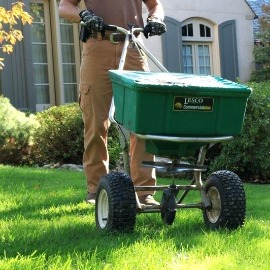
Follow a balanced fertilization schedule suited to Missouri's climate. Spring and fall applications work better than heavy summer feeding. Avoid excessive nitrogen in late fall, which creates susceptible winter growth. Talk to a professional about soil testing—you might not need as much fertilizer as you think.
Thatch Management
Excess thatch is a disease factory. If your lawn has more than half an inch of thatch, consider professional dethatching or core aeration. This is particularly important in early fall in Missouri.
Treatment Options for Active Disease
If despite your best efforts disease appears, you have several options:
Fungicide Applications
Various fungicide options are available for lawn diseases, with different active ingredients effective against different pathogens. Timing is critical—fungicides work best preventatively or at the very first signs of disease. Once disease is well-established, fungicides become less effective because the damage is already done internally.
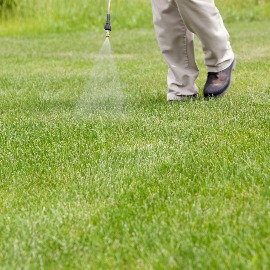
We use quality fungicides that are environmentally responsible and timed with weather patterns and disease pressure specific to the Rolla area and surrounding regions. Application is precise—we don't spray the entire lawn if only parts are affected.
Cultural Changes
Often the fastest recovery comes from changing how you care for that area:
- Improve drainage if Pythium is the problem
- Reduce watering frequency
- Increase sunlight if possible
- Adjust mowing practices
- Improve air circulation
Professional Treatment
This is where calling in experts makes sense. We can accurately identify the disease, determine what conditions are promoting it, and create a treatment plan specific to your lawn and your situation. We also monitor treated areas to ensure the disease doesn't return.
Seasonal Disease Pressure Timeline in Missouri
Understanding when diseases are most likely helps you time prevention and treatment:
Spring (March-May): Dollar spot and Fusarium patch emerge as snow melts and temperatures warm. Late-spring warm spells create ideal conditions for gray leaf spot on St. Augustine grass (if you have it in warmer Missouri areas).
Early Summer (June): Transition month when spring diseases fade but brown patch hasn't started. Relatively lower disease pressure if lawn is healthy.
Mid-to-Late Summer (July-September): Brown patch becomes the dominant disease concern. Heat and humidity create perfect conditions. This is when many lawns start showing stress and disease problems.
Fall (September-November): Dollar spot returns. Cool, moist conditions favor fungal activity. Fusarium patch preparation begins—conditions for winter diseases are established.
Winter (December-February): Fusarium and pink snow mold active under snow or in cold, wet conditions. The diseases visible now were often "set up" by how we managed the lawn in fall.
When to Hire a Professional
You can manage some lawn disease with proper cultural practices, but there are times to call in the experts:
Hire a professional when:
- You can't identify the disease with certainty
- The problem covers more than 10-15% of your lawn
- The problem returns year after year in the same spot
- You've attempted treatment without success
- You want to prevent problems rather than constantly treat them
- The disease is in a high-visibility area and you want the fastest solution
Professional lawn care companies like Maedgen's Lawn Care have the expertise to identify disease accurately, understand the specific conditions in your Rolla, St. James, St. Robert, Waynesville, or Valley Park property, and create a treatment plan that addresses root causes, not just symptoms.
We also have access to professional-grade fungicides and application equipment that homeowners don't typically have. More importantly, we can tie treatment to the specific weather patterns and timing that work best for Missouri's climate.
Final Thoughts: Your Healthiest Lawn Starts with Awareness
The lawn disease problems we see most often aren't caused by a single fungus—they're caused by a combination of stress factors: poor drainage, wrong mowing height, over or under-watering, and shade. Fix those underlying problems, and many disease issues resolve on their own.
Start by observing your lawn carefully through the seasons. Notice which areas get disease and why. Is it the low spot that stays wet? The area under the oak tree? The place where you mow too short? These patterns point to solutions.
Missouri's climate will always create some disease pressure—that's just reality in our humid Ozark region. But armed with knowledge of what causes these diseases and how to prevent them, you can keep your lawn healthy and beautiful year-round.
Ready to Protect Your Missouri Lawn from Disease?
Don't let lawn disease take over. Whether you need professional disease identification, treatment, or year-round management to prevent problems, we're here to help.
Call us at (573) 647-2823 or request your free lawn assessment today. Let's create a disease management plan that keeps your Rolla-area lawn healthy and disease-free.
Related Services:
Related Posts:
- The Best Grass Seed for Missouri Lawns: Choosing the Right Species for Your Region
- Spring Lawn Care Checklist for Missouri Homeowners
- How to Improve Lawn Drainage in Clay-Heavy Missouri Soil
Not sure where to start?
We’ll walk your property and recommend exactly what your lawn needs — no pressure, no obligation.
We respond within 1 business day.