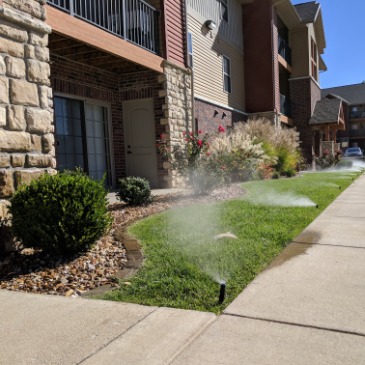
Your irrigation system is one of the most valuable investments in lawn care. A properly functioning system delivers water efficiently, keeps your lawn healthy during dry periods, and actually saves money through smarter watering. But here's the reality: most irrigation system problems don't happen during the growing season—they happen because of improper seasonal maintenance.
After 30 years maintaining irrigation systems across Rolla, St. James, St. Robert, Waynesville, and Valley Park, we've learned that spring startup and fall winterization aren't just maintenance tasks—they're essential procedures that extend system life, prevent expensive repairs, and ensure peak performance. Here's what you need to know.
Why Seasonal Irrigation Maintenance Matters
Before diving into the checklist, understand why this matters. A system that isn't properly maintained will:
- Develop leaks that waste thousands of gallons annually
- Have misaligned or clogged sprinkler heads that create dry spots
- Operate at reduced pressure, delivering inadequate water
- Suffer frozen and burst pipes in winter (worst-case scenario)
- Run less efficiently, wasting water and increasing bills
Proper maintenance prevents all of this. It also keeps you from discovering problems mid-summer when dry lawns are browning and irrigation contractors are booked solid.
Spring Startup Checklist for Missouri Irrigation Systems
Spring startup should happen in early March, before you start regular watering. Here's what to do:
Step 1: Visual Inspection
Walk your entire property and look for obvious problems:
Check for winter damage:
- Cracked or split PVC pipes (freeze damage is common in Missouri winters)
- Sunken areas where pipes might have shifted
- Broken sprinkler heads that stuck up through snow
- Backflow preventer damage
- Water leaks from any part of the system
Check the controller:
- Make sure it's dry (moisture is a problem)
- Look for loose connections or corrosion
- Verify the clock is working
Check visible components:
- Main shut-off valve (make sure it turns freely)
- Backflow preventer (no visible damage)
- Filter housing (not cracked or leaking)
Step 2: System Pressure Testing
Proper pressure is essential for irrigation function. Modern residential systems typically operate at 40-80 PSI (pounds per square inch). Too low and sprinklers don't spray properly. Too high and you risk damage.
How to test pressure:
- Locate the test port on your main line (usually near the backflow preventer)
- Attach a pressure gauge (inexpensive at hardware stores)
- Turn on the main valve and read the pressure
- Ideal range for most systems is 50-60 PSI
If pressure is too low:
- Check for leaks (major cause of pressure loss)
- Verify the main valve is fully open
- Check the filter—a clogged filter reduces pressure
- Look for frozen or burst lines
If pressure is too high:
- Turn the main valve back slightly to reduce pressure
- Install a pressure regulator if your system doesn't have one
- High pressure damages system components faster than normal operation
Step 3: Controller Programming Setup
Your controller is the brain of the system. Spring startup means checking settings:
Programming review:
- Verify the date and time are correct
- Check watering schedule—is it still on winter settings?
- Confirm watering days (typically 2-3 days per week in spring)
- Adjust run times for season (spring systems run shorter than summer)
Missouri-specific timing:
Spring in Missouri is variable. We might have adequate rain in April, requiring no irrigation. By May, dry conditions arrive. Program the controller for:
- Spring (March-April): 2 days per week, 15-20 minutes per zone
- Late spring (May): Monitor rainfall; adjust as needed
Most modern controllers have rain sensors—make sure they're clean and functional. A rain sensor prevents running irrigation during rainy weather.
Step 4: Zone Testing and Coverage
Every zone of your irrigation system should be tested.
Test each zone:
- Turn on zone one manually (usually on the controller)
- Walk the area and verify all sprinkler heads are popping up
- Watch where water is spraying—is coverage even?
- Note any heads that don't pop up (broken), spray weak water (clogged), or spray at odd angles (misaligned)
- Turn off zone one and repeat for each zone
Coverage problems to address:
- Dry spots: Caused by misaligned heads, weak coverage, or heads that don't reach
- Overspray: Water landing on hardscape instead of lawn
- Broken heads: Pop up and spray weakly or don't spray at all
Document problems as you find them—you'll address these next.
Step 5: Head Adjustment and Repair
Sprinkler head adjustments are the most common maintenance task.
Misaligned heads:
- Many sprinkler heads have adjustment screws for throw distance and spray pattern
- Adjust heads so they water the intended area without overspray
- Use a flathead screwdriver and make small adjustments
- Test coverage again after adjusting
Clogged heads:
- If a head sprays weakly, debris is usually the culprit
- Unscrew the top of the sprinkler head
- Flush out debris under water pressure
- Check the small nozzle opening for blockage
- Reassemble and test
Broken heads:
- If a head is cracked, sunken, or broken off, it needs replacement
- Modern sprinkler heads are fairly inexpensive ($20-50 each)
- Installation is simple—turn off water, unscrew old head, screw in new one
- This is one DIY maintenance task most homeowners can handle
Step 6: Valve Inspection and Testing
Valves control water flow to each zone.
Check for leaks:
- Locate all zone valve boxes (usually underground, with covers)
- Look for standing water or mud—sign of a leak
- If you find a leak, the valve likely needs replacement
Test valve operation:
- For automatic systems, test each zone activation on the controller
- Water should flow when zone is on, stop when it's off
- Slow shut-off (water continues trickling) means the valve is sticking
Valve problems:
- Stuck valves often respond to manually opening and closing several times
- If water keeps running, the valve needs professional replacement
- A leaking valve requires replacement to prevent water waste
Step 7: Filter Maintenance
Your system filter (if equipped) prevents debris from clogging sprinkler heads.
Filter cleaning:
- Look for the filter housing (usually near the backflow preventer)
- Many systems have a drain plug at the bottom
- Open the drain and let water flow until clear
- If you have a cartridge filter, you might need to replace the cartridge
- Screen filters need backwashing (reversing water flow to clean)
Replace filters as needed:
- Follow manufacturer recommendations (typically annual or biennial replacement)
- Clogged filters reduce pressure and water flow
Seasonal Water Schedule for Missouri Lawns
Understanding how much water your lawn needs changes by season.
Spring (March-May)
Spring in Missouri brings variable rainfall. Rain in March and April can meet lawn needs. But late spring often brings dry conditions.
Recommended approach:
- Early spring: 1-2 days per week if dry
- Mid-spring (April): Watch rainfall; some weeks you won't irrigate
- Late spring (May): Monitor closely; may need 2-3 days per week by month's end
- Run time: 15-20 minutes per zone
Missouri clay soils retain moisture well, so you typically need less spring irrigation than in other regions.
Summer (June-September)
Summer is peak irrigation season. Missouri heat and humidity create significant water needs.
Recommended approach:
- June: 2-3 days per week, 20-25 minutes per zone
- July-August: 3 days per week, 25-30 minutes per zone (peak season)
- September: Taper to 2-3 days as temperatures cool
- Water early morning (4-7 AM) to minimize evaporation
Don't water based on calendar days alone—check soil moisture. If you get a heavy rain, skip the next scheduled watering.
Fall (September-November)
Fall presents a different challenge. Cooling temperatures reduce water needs, but early fall can still be dry.
Recommended approach:
- Early fall (September): Continue summer schedule, monitoring conditions
- Mid-fall (October): Taper to 1-2 days per week, 15-20 minutes
- Late fall (November): Minimal irrigation; by late November, prepare for winterization
In Missouri, fall rains are often reliable, so you may not need much supplemental irrigation.
Winter (December-February)
In Missouri's winter, dormant cool-season grasses don't need watering. However, some situations require winter irrigation:
Winter watering considerations:
- Newly seeded or sodded lawns may need light watering if winter is very dry
- Commercial properties might continue minimal irrigation
- Warm-season grasses in Missouri require winter protection
Most residential properties shut off irrigation completely in winter.
Fall Winterization Checklist
Fall winterization is critical in Missouri. Freeze-thaw cycles can crack pipes and damage components. Here's the process:
Step 1: Final System Flush
Before winterization, clean out the system:
Drain and flush procedure:
- Turn off the controller (stop automatic watering)
- Open the main shut-off valve
- Manually run each zone briefly to verify operation
- This confirms the system still works before winterization
Step 2: Determine Your Winterization Method
There are three approaches to winterizing irrigation systems in Missouri:
Option 1: Simple Drain (Most Common for Residential)
- Turn off the main water supply valve
- Open all zone valves to allow remaining water to drain
- Open the backflow preventer drain plug
- Leave the system open to air over winter
- Pros: Simple, no special equipment needed
- Cons: Water can still freeze in lower areas if temperatures drop below freezing for extended periods
Option 2: Manual Blow-Out (Middle Ground)
- Turn off water supply
- Use a compressor to blow out remaining water in pipes and heads
- Blow-out removes water that simple draining misses
- Open all valves and low points for water escape
- Pros: More thorough than simple drain
- Cons: Requires equipment and care (high pressure can damage components)
Option 3: Professional Winterization Service (Best for High-Value Systems)
- Professional crews use specialized equipment
- Complete system blow-out with air pressure
- Antifreeze added to specific lines if needed
- All drain points addressed
- Pros: Most thorough, prevents most freeze damage
- Cons: Cost ($150-$300 typically)
For valuable systems or if you want guaranteed freeze protection, professional winterization is worth the investment.
Step 3: Turn Off Controller Power
For winter:
- Turn off the controller power
- Consider removing the battery if battery-powered
- Don't leave power on—controllers sitting dormant in cold can malfunction
Step 4: Drain Low Points
Winterization isn't just about the main system.
Identify and drain:
- Lowest point in the system (usually near the main valve)
- Any zones that are lower elevation than others
- The backflow preventer drain plug
- Any other low points in supply lines
Water sitting in low spots will freeze and potentially crack pipes.
Step 5: Store or Protect Above-Ground Components
Some irrigation components sit above ground and need protection:
Main valve boxes:
- Some systems have above-ground valve boxes
- If yours does, consider covering or insulating
- Exposed valves can freeze, preventing operation
Controller protection:
- If your controller is mounted outdoors, ensure it's protected from freezing temps
- Many controllers should be removed and stored indoors for winter
- Check the manufacturer recommendations
Backflow preventer:
- Some backflow preventers are freeze-sensitive
- Research your model
- Professional winterization accounts for this
Step 6: Inspection for Winterization Readiness
Before you're done:
Final walkthrough:
- Verify all zone valves are open (allows water to drain completely)
- Confirm the main valve is off
- Check that controller power is off
- Verify no water is running or leaking anywhere
Common Irrigation Problems and Solutions
Even with good maintenance, issues arise.
Problem: Leaks
Identifying a leak:
- Water pooling in specific areas
- Unusually high water bill
- Soggy spots that aren't near actual lawn irrigation
Causes and fixes:
- Cracked or burst pipe (most common from freeze-thaw)
- Leaking valve
- Loose connection
Solutions range from simple tightening of connections to professional pipe replacement for cracked lines.
Problem: Low Water Pressure
Identifying low pressure:
- Sprinklers spray weakly or don't reach their intended area
- When you turn on multiple zones, water pressure drops significantly
Causes and fixes:
- Clogged filter (clean or replace)
- Main shut-off valve not fully open
- Leaks in the system (pressure is escaping)
- Water line partially blocked
Usually starting with filter cleaning and valve inspection solves the problem.
Problem: Misaligned Sprinkler Heads
Signs of misalignment:
- Water landing on driveway or hardscape
- Dry spots in lawn area
- Overspray onto structures
Solution:
- Adjust heads (covered in Step 5 of spring startup)
- Most adjustment is simple and DIY-friendly
Problem: Dead or Weak Sprinkler Zones
Signs:
- One zone's heads don't pop up
- One zone produces weak water pressure
Causes and fixes:
- Clogged filter affecting just that zone
- Stuck zone valve
- Cracked supply line for that zone
- Multiple broken sprinkler heads in that zone
Isolate the problem by testing pressure at the zone valve.
Professional vs. DIY Maintenance: When to Call a Pro
Some irrigation maintenance is DIY-appropriate. Some requires professionals.
DIY-Friendly Tasks
These you can probably handle:
- Visual inspection and leak identification
- Sprinkler head cleaning and simple adjustment
- Filter cleaning
- Zone testing and documentation
- Controller programming changes
Professional-Required Tasks
Call a professional for:
- Winterization (if you want guaranteed freeze protection)
- Spring blow-out service (removing air from lines)
- Pressure testing if problems persist
- Valve replacement or repair
- Pipe repair or replacement
- Complete system re-evaluation
- New system installation or redesign
Professional irrigation technicians have specialized tools, equipment, and knowledge that make problems easier to diagnose and fix.
Cost Savings Through Proper Maintenance
Proper maintenance actually saves money:
Avoided Repair Costs
- A winterization procedure ($150-300) prevents burst pipe repairs ($500-2,000)
- Regular pressure testing prevents damage that costs thousands to repair
- Head cleaning prevents partial system replacement
One major repair often costs more than years of preventive maintenance.
Water Savings
- A leak detected early can waste 50,000+ gallons annually
- Proper head alignment prevents overspray and water waste
- Correct water schedules reduce overwatering
- A system running efficiently uses less water
Water savings on your bill often exceed the cost of maintenance.
System Longevity
- Properly maintained systems last 15-20 years
- Neglected systems may need replacement in 8-10 years
- Maintenance extends system life significantly
That extended lifespan is substantial value.
Final Thoughts: Make Maintenance a Habit
The best irrigation systems aren't the most expensive—they're the ones that are maintained properly. Spending an hour in early spring and another in early fall checking, adjusting, and preparing your system prevents hundreds of dollars in repairs and water waste.
Create a calendar reminder for March and October. Spend a weekend on seasonal maintenance. Your lawn will be healthier, your system will last longer, and you'll save money. That's a win on every front.
Ready to Optimize Your Irrigation System?
Whether you need professional spring startup, fall winterization, system inspection, or regular maintenance, Maedgen's Lawn Care has the expertise to keep your system running perfectly.
Call us at (573) 647-2823 or request a service quote today. We serve Rolla, St. James, St. Robert, Waynesville, and Valley Park with professional irrigation maintenance and installation.
Related Services:
- Residential Irrigation Maintenance & Installation
- Commercial Irrigation Services
- Spring Startup Service
- Fall Winterization Service
Related Posts:
- The Best Grass Seed for Missouri Lawns: Choosing the Right Species for Your Region
- Why You Need Professional Snow & Ice Management (And Why It's Worth the Investment)
- Improving Drainage in Clay-Heavy Missouri Soils
- Summer Watering Schedule for Missouri Lawns
Not sure where to start?
We’ll walk your property and recommend exactly what your lawn needs — no pressure, no obligation.
We respond within 1 business day.